Myopia Treatment
Protecting Vision Through Effective Myopia Treatment
We provide comprehensive myopia treatment and management services designed to help patients achieve clearer distance vision and maintain long-term eye health. Myopia, commonly known as nearsightedness, is a refractive error that makes distant objects appear blurry while nearby objects remain clear. With the increasing use of digital devices and changing lifestyle habits, myopia has become one of the most common vision conditions affecting both children and adults. Our experienced eye specialists utilize advanced diagnostic technology to accurately assess vision and determine the severity of myopia. Based on each patient’s unique needs, we develop personalized treatment plans that may include prescription glasses, contact lenses, myopia control therapies, and other advanced vision correction options. For children, early diagnosis and effective myopia management are especially important to help slow the progression of the condition and reduce the risk of future eye complications. Through expert care, regular monitoring, and patient education, we are committed to helping individuals enjoy clearer vision, improved visual comfort, and a better quality of life while protecting their long-term eye health.
Myopia Treatment FAQ'S
Q. What is myopia?
Answer:
Myopia, also known as nearsightedness, is a common vision condition in which nearby objects appear clear, but distant objects look blurry.
Q. What causes myopia?
Answer:
Myopia usually occurs when the eyeball grows too long or the cornea is too curved, causing light to focus in front of the retina instead of directly on it.
Q. What are the symptoms of myopia?
Answer:
Common symptoms include blurred distance vision, squinting, eye strain, headaches, and difficulty seeing road signs, classroom boards, or distant objects clearly.
Q. How is myopia diagnosed?
Answer:
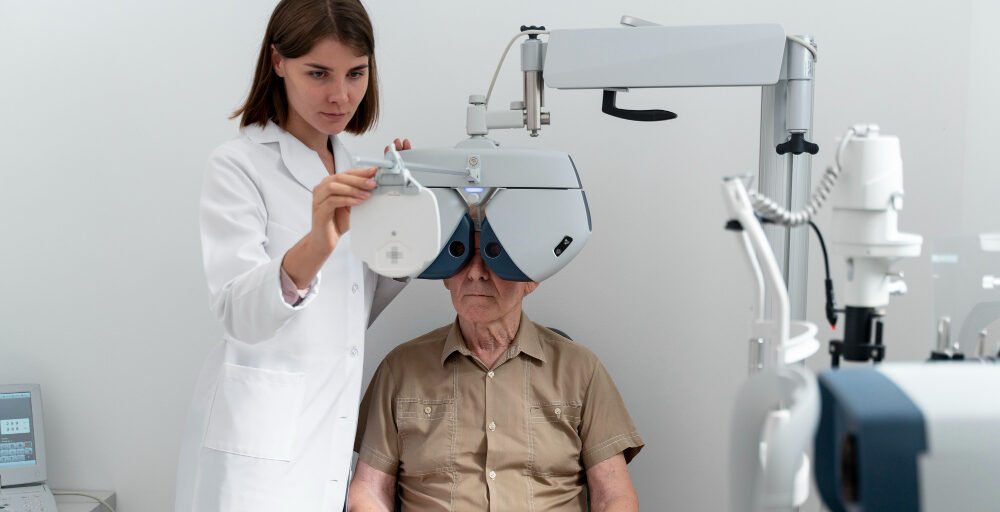
Myopia is diagnosed through a comprehensive eye examination that includes vision testing, refraction assessment, and evaluation of overall eye health.
Q. Can myopia worsen over time?
Answer:
Yes. Myopia often progresses during childhood and adolescence as the eyes continue to grow. Regular eye examinations help monitor and manage its progression.
Q. What treatment options are available for myopia?
Answer:
Treatment options may include prescription glasses, contact lenses, myopia control therapies, and vision correction procedures such as LASIK for eligible adults.
Q. Can myopia be cured permanently?
Answer:
While glasses and contact lenses correct vision, procedures like LASIK may provide long-term vision correction for suitable candidates. However, eligibility depends on individual eye health and stability of vision.
Q. How can myopia progression be controlled in children?
Answer:
Myopia progression may be managed through specialized treatments, regular monitoring, increased outdoor activities, and other doctor-recommended myopia control strategies.
Q. Does excessive screen time contribute to myopia?
Answer:
Prolonged near-work activities, including excessive screen use, may increase the risk of myopia progression, especially in children and young adults.
Q. When should I see an eye specialist for myopia?
Answer:
You should consult an eye specialist if you experience blurred distance vision, frequent headaches, eye strain, or any noticeable changes in your eyesight. Early diagnosis and treatment can help maintain clear vision and long-term eye health.