Retina Care
Protecting Your Retina Preserving Your Vision
We provide comprehensive retina care services focused on the early detection, diagnosis, and treatment of a wide range of retinal conditions. The retina plays a vital role in vision by capturing light and sending visual signals to the brain, making its health essential for clear and healthy eyesight. Our experienced retina specialists use advanced diagnostic technology and modern treatment techniques to manage conditions such as diabetic retinopathy, retinal detachment, macular degeneration, retinal vein occlusion, and other retinal disorders. We believe that timely intervention is key to preserving vision and preventing long-term complications. With a patient-centered approach, we develop personalized treatment plans tailored to each individual’s condition and needs, ensuring the highest standards of safety, precision, and care. From routine retinal screenings to advanced medical and surgical treatments, our dedicated team is committed to protecting your retinal health, preserving your vision, and helping you maintain a better quality of life.
Retina Care FAQ'S
Q. What is the retina?
Answer:
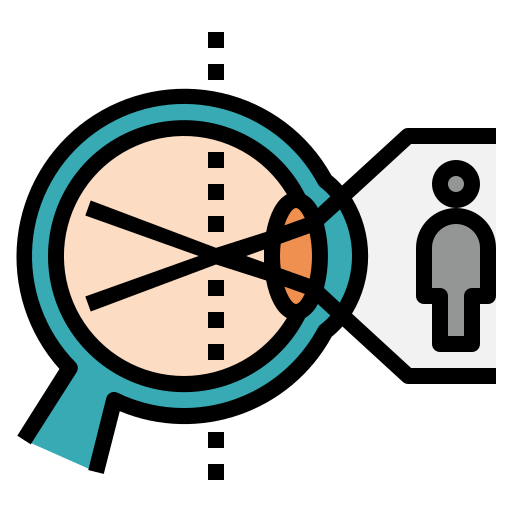
The retina is a thin layer of tissue located at the back of the eye that captures light and sends visual signals to the brain, allowing us to see clearly.
Q. Why is retina care important?
Answer:
Healthy retinas are essential for clear vision. Early detection and treatment of retinal conditions can help prevent vision loss and protect long-term eye health.
Q. What are the common retinal diseases?
Answer:
Common retinal conditions include diabetic retinopathy, age-related macular degeneration (AMD), retinal detachment, retinal vein occlusion, and macular edema.
Q. What are the symptoms of retinal problems?
Answer:
Symptoms may include blurred vision, floaters, flashes of light, dark spots, distorted vision, or sudden loss of vision. Any of these symptoms should be evaluated promptly.
Q. Who is at risk for retinal diseases?
Answer:
People with diabetes, high blood pressure, a family history of retinal disorders, advancing age, or previous eye injuries may have a higher risk of developing retinal conditions.
Q. How are retinal diseases diagnosed?
Answer:
Retinal diseases are diagnosed through comprehensive eye examinations, retinal imaging, optical coherence tomography (OCT), and other advanced diagnostic tests.
Q. Can retinal diseases be treated?
Answer:
Many retinal conditions can be effectively managed or treated when detected early. Treatment options may include medications, laser therapy, injections, or surgery, depending on the condition.
Q. How often should I have a retinal examination?
Answer:
Individuals with diabetes, high-risk factors, or existing eye conditions should undergo regular retinal examinations as recommended by their eye specialist.
Q. Is retinal treatment painful?
Answer:
Most retinal treatments are minimally invasive and performed with measures to ensure patient comfort. Your specialist will explain the procedure and recovery process beforehand.
Q. How can I maintain good retinal health?
Answer:
Regular eye check-ups, controlling blood sugar and blood pressure, maintaining a healthy lifestyle, protecting your eyes from injury, and seeking prompt medical attention for vision changes can help preserve retinal health.